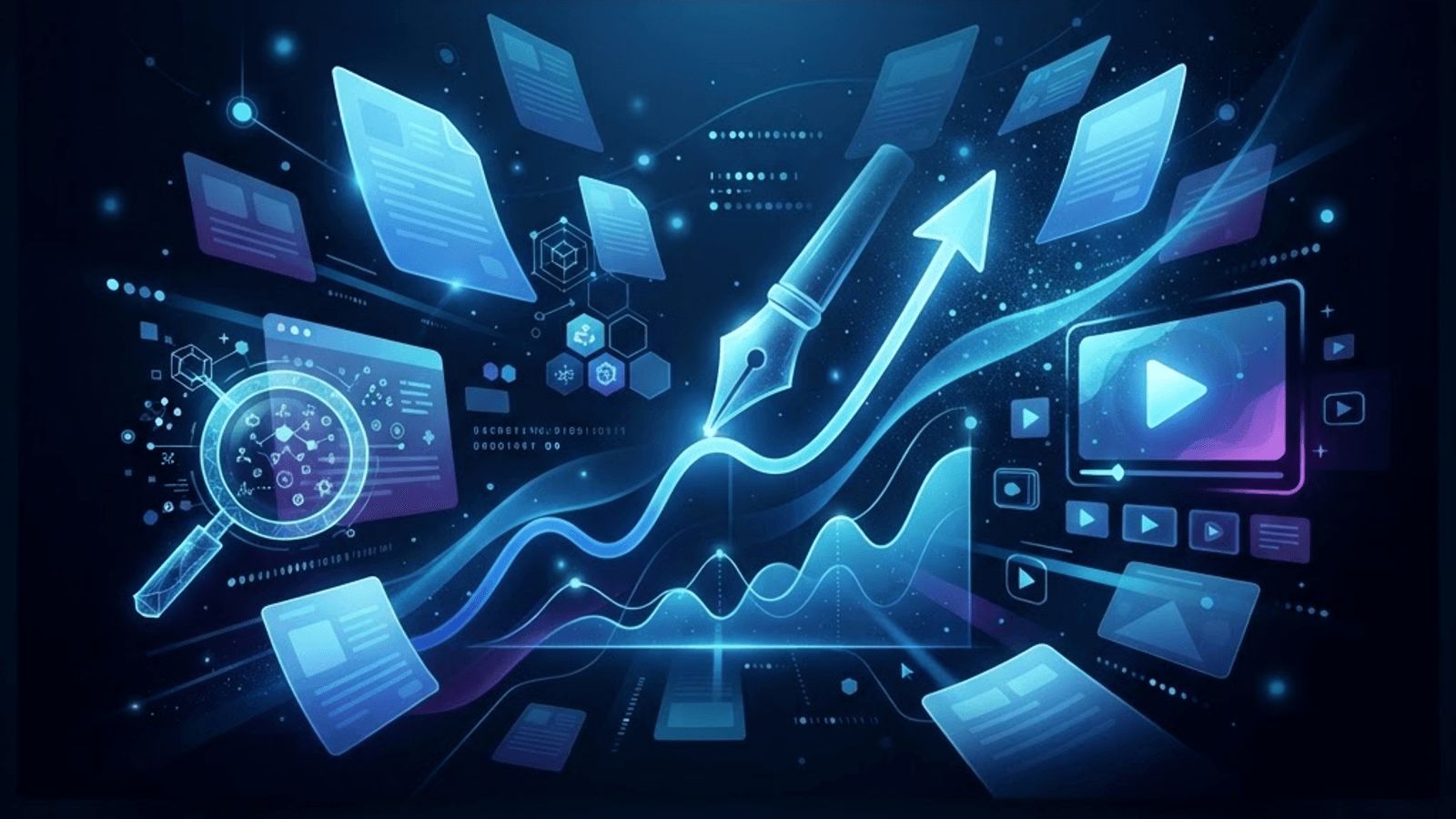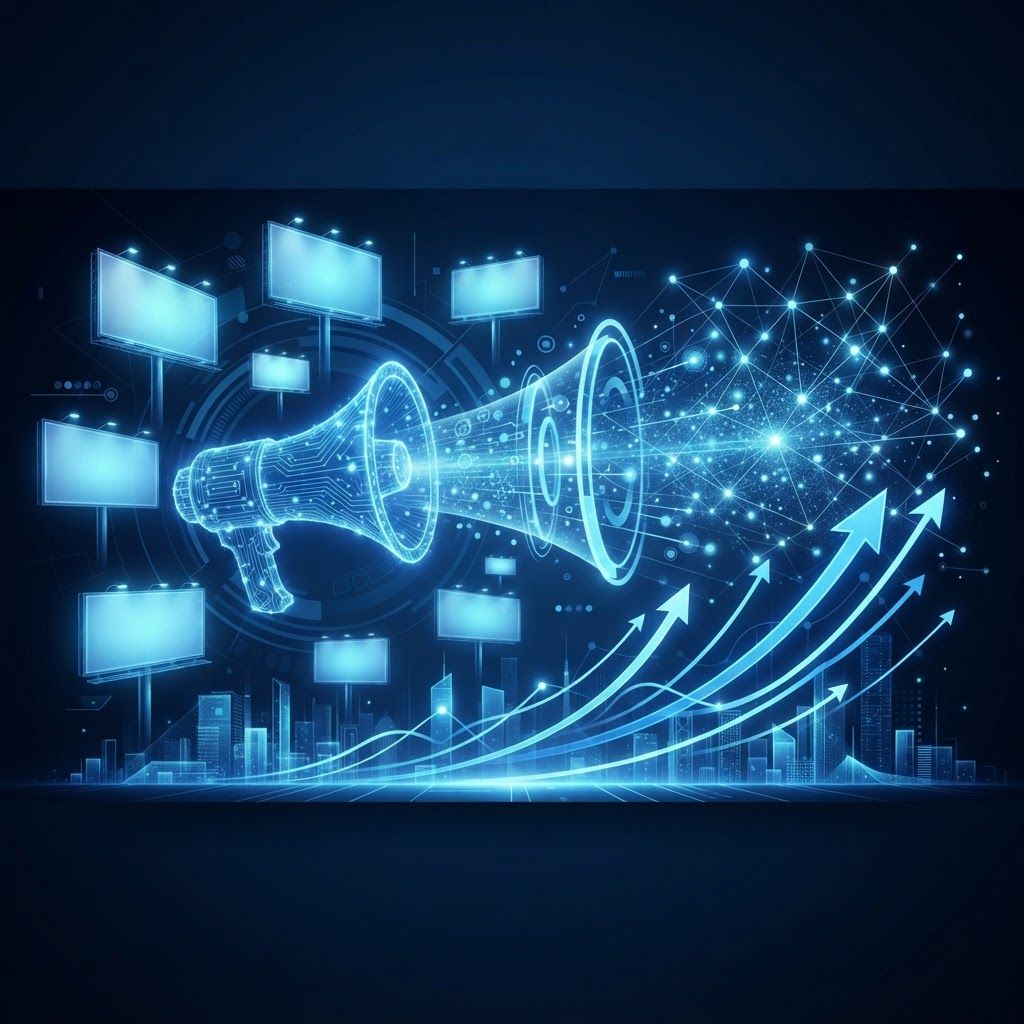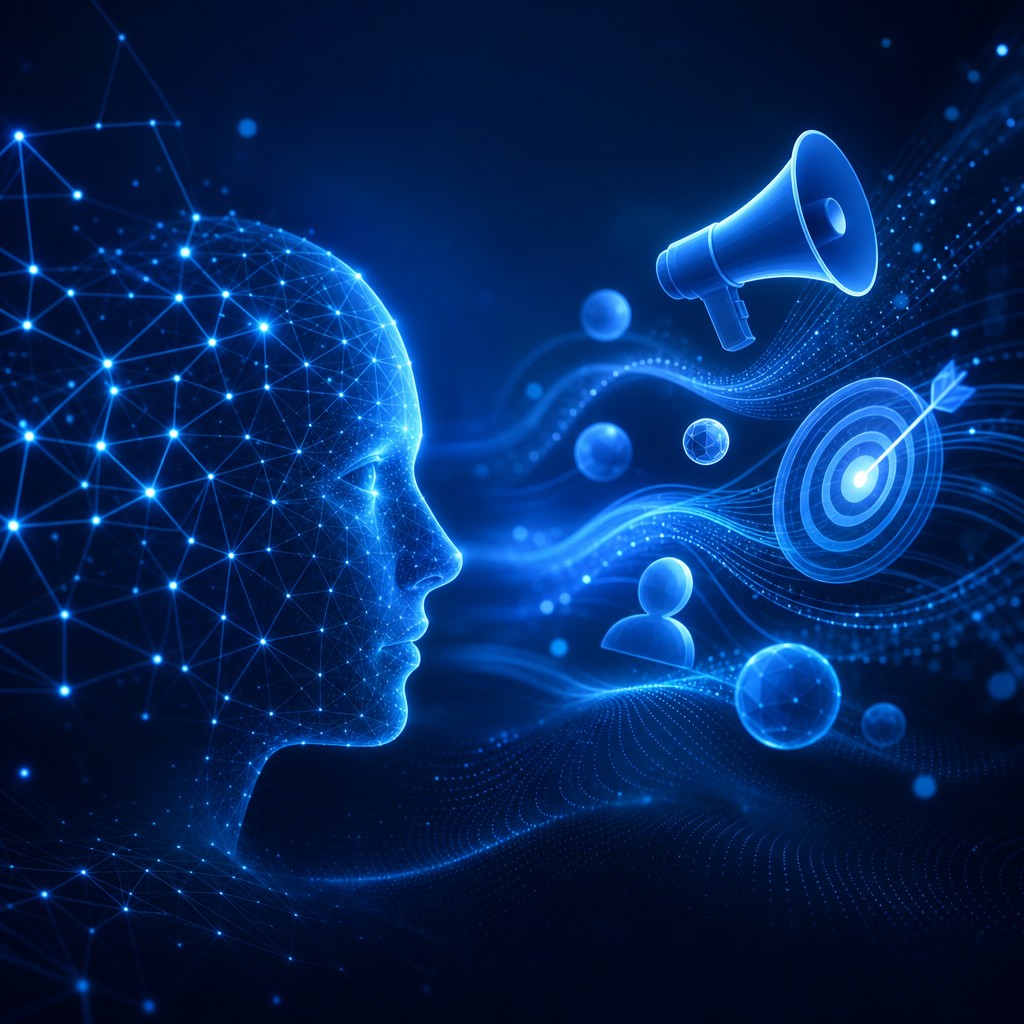
Artificial intelligence is no longer a futuristic concept reserved for tech giants. Today, companies of every size are weaving AI into the fabric of their marketing operations to work faster, personalize deeper, and measure more accurately. From automated content generation to predictive analytics, AI has become the engine that powers competitive marketing teams. Understanding how organizations are actually using these tools right now helps marketers separate genuine value from hype and build strategies that deliver real results.
Partner With AAMAX.CO for Smarter AI Marketing
For businesses ready to put artificial intelligence to work without the steep learning curve, AAMAX.CO offers a full suite of services designed to modernize marketing from the ground up. They help companies integrate AI-driven workflows, optimize content for search and discovery, and build digital experiences that convert. As a full-service digital marketing company serving clients worldwide, their team blends strategy with execution, guiding organizations through everything from digital marketing campaigns to advanced automation. Their hands-on approach means companies can adopt the same AI capabilities used by industry leaders while keeping their brand voice intact.
Personalization at Scale
One of the most widespread uses of AI in marketing today is personalization. Companies leverage machine learning models to analyze browsing behavior, purchase history, and engagement patterns, then deliver tailored product recommendations, dynamic website content, and individualized email sequences. Streaming platforms, e-commerce retailers, and subscription services all rely on these recommendation engines to keep audiences engaged. What once required armies of analysts can now happen automatically in milliseconds, allowing brands to treat millions of customers as individuals rather than a single undifferentiated mass.
Content Creation and Optimization
Generative AI tools have transformed how marketing teams produce content. Writers use AI assistants to draft blog posts, social captions, ad copy, and product descriptions, then refine the output to match brand guidelines. Beyond writing, AI helps optimize content by suggesting keywords, analyzing readability, and predicting which headlines will perform best. This blend of human creativity and machine efficiency lets teams publish more frequently without sacrificing quality, freeing strategists to focus on big-picture storytelling.
Predictive Analytics and Forecasting
Companies increasingly rely on predictive analytics to anticipate customer needs and market shifts. By feeding historical data into machine learning models, marketers can forecast which leads are most likely to convert, when customers might churn, and how seasonal trends will affect demand. These insights inform budget allocation, inventory planning, and campaign timing. Instead of reacting to events after they happen, marketing teams use AI to act proactively, positioning their messages exactly when audiences are most receptive.
Chatbots and Conversational Marketing
AI-powered chatbots and virtual assistants now handle a significant share of customer interactions. These tools answer common questions, qualify leads, schedule appointments, and guide shoppers through purchases around the clock. Natural language processing has advanced to the point where conversations feel genuinely helpful rather than robotic. By automating routine inquiries, companies reduce response times, lower support costs, and capture leads that might otherwise slip away during off-hours.
Programmatic Advertising
In the advertising space, AI drives programmatic buying, automatically purchasing ad placements in real time based on audience data and performance goals. Algorithms decide which ads to show, to whom, and at what price, optimizing campaigns continuously to maximize return on investment. This automation eliminates much of the guesswork in media buying and ensures budgets are spent where they generate the greatest impact.
Measuring and Improving Performance
Finally, AI plays a central role in analytics and attribution. Marketing teams use intelligent dashboards that surface insights, flag anomalies, and recommend next steps. Rather than manually combing through spreadsheets, marketers receive clear guidance on what is working and what needs adjustment. This data-driven feedback loop accelerates learning and helps companies refine their strategies week over week.
Conclusion
AI has become an indispensable part of modern marketing, touching everything from content creation and personalization to advertising and analytics. Companies that embrace these tools gain speed, precision, and scalability that manual processes simply cannot match. For organizations looking to navigate this landscape with confidence, working with an experienced partner ensures the technology is deployed strategically and ethically. The future of marketing belongs to those who combine human insight with the power of intelligent automation.
Want your brand featured in front of decision-makers? Publish a guest post or get a link insertion in our guides through AAMAX's guest post and link insertion service.
Helpful Links
 SponsoredAAMAX — Full-Service Digital Agency
Write for Us
Share your expertise with our readers. We welcome guest contributions from industry specialists.
Pitch your idea