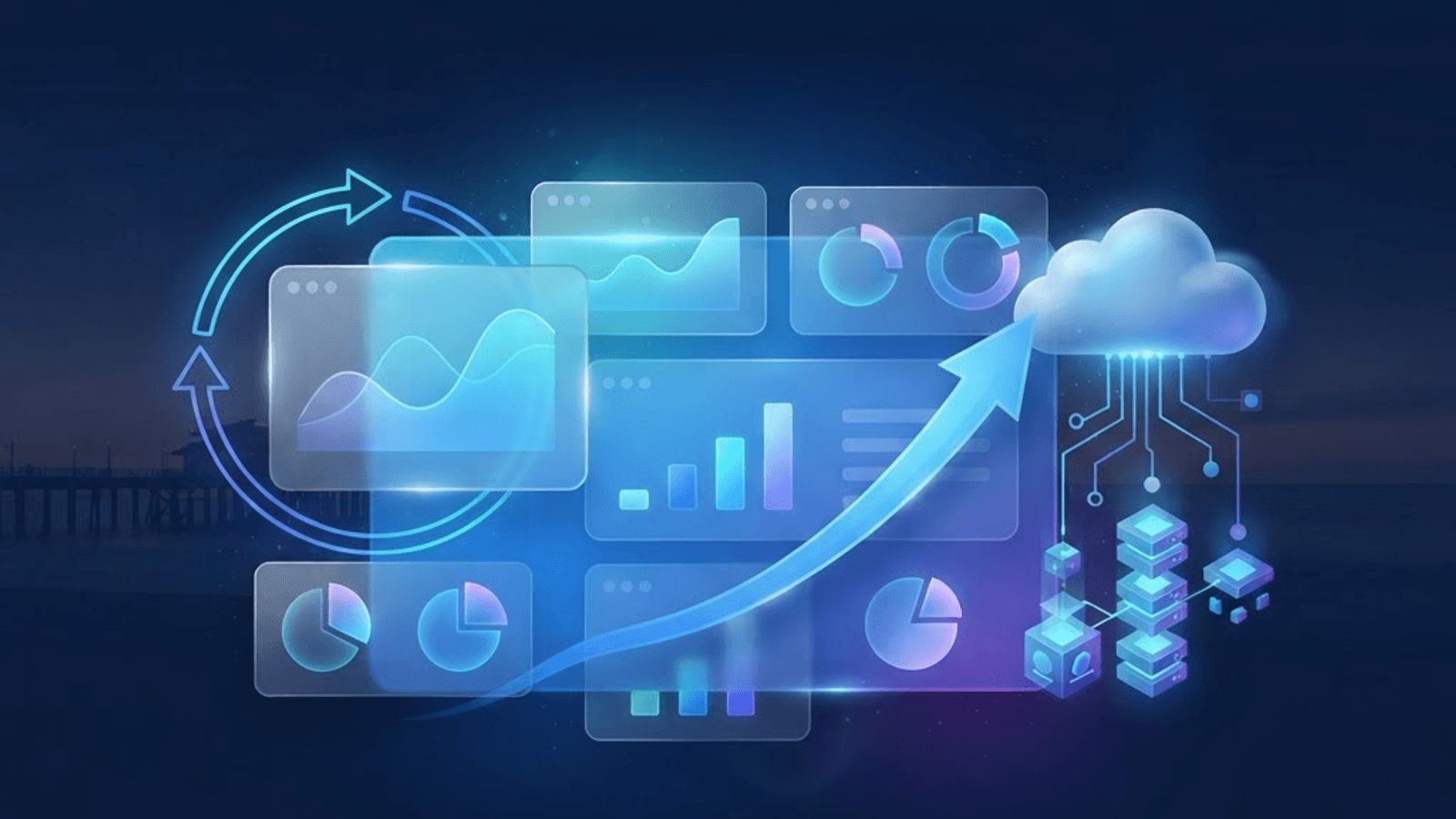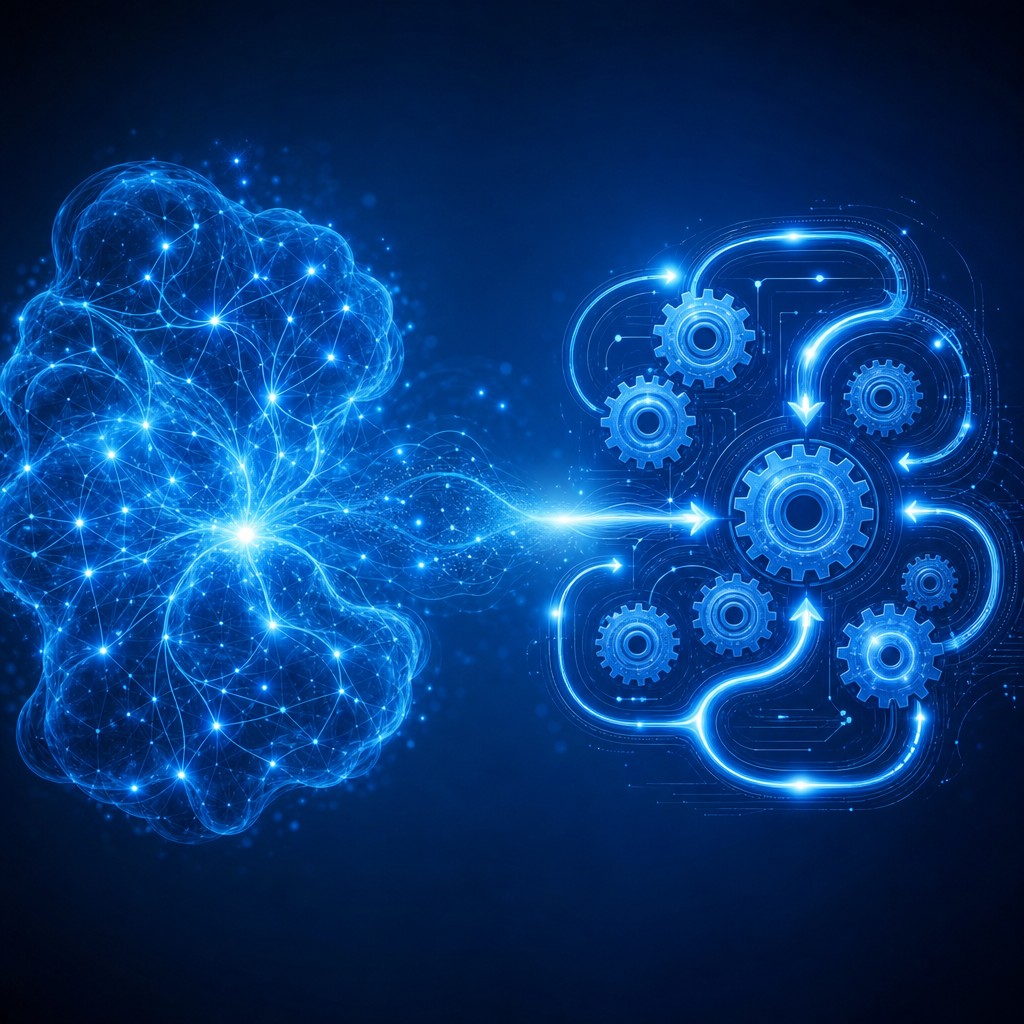
Marketers frequently blur the line between artificial intelligence and marketing automation, treating the terms as synonyms. In reality, they are different technologies with different purposes. Marketing automation executes predefined tasks based on rules, while AI makes intelligent decisions by learning from data. Understanding this distinction is essential for building an effective marketing technology stack, because the two complement each other: automation provides the muscle to act at scale, and AI provides the brain to decide what action to take.
How AAMAX.CO Helps You Combine Both
Knowing how to blend AI and automation into a cohesive system is a specialty of AAMAX.CO. As a full-service digital marketing company operating worldwide, they help businesses understand which technology fits which task and how to connect them for maximum effect. Their team designs marketing stacks where automation handles repetitive execution and AI guides strategic decisions, ensuring the two work in harmony. By clarifying the roles of each, they help organizations avoid wasted spend on tools they misunderstand and instead build systems that genuinely drive results.
What Marketing Automation Actually Does
Marketing automation refers to software that performs repetitive marketing tasks automatically based on rules a human defines. A classic example is an email workflow: when someone signs up, send a welcome message; three days later, send a follow-up; if they click a link, add them to a list. These rules are explicit and fixed. The software executes them reliably and at scale, but it does not decide anything on its own. It simply follows the instructions it was given, freeing marketers from manually performing routine actions.
What Artificial Intelligence Adds
Artificial intelligence operates differently. Instead of following fixed rules, AI learns patterns from data and makes decisions that adapt over time. Rather than a marketer specifying exactly when to send an email, an AI system analyzes each recipient's behavior and determines the optimal send time for that individual. AI predicts, recommends, and optimizes, making choices that no one explicitly programmed. This ability to learn and adapt is the fundamental difference: automation does what it is told, while AI figures out what should be done.
Rules Versus Learning
The clearest way to distinguish the two is the contrast between rules and learning. Automation is rule-based and deterministic, meaning the same input always produces the same output. AI is data-driven and probabilistic, meaning it weighs likelihoods and improves as it sees more examples. If conditions change, an automation workflow keeps following its old rules until a human updates them, whereas an AI system adjusts on its own. This makes automation predictable and AI flexible, each valuable in its own way.
How They Work Together
The real magic happens when AI and automation combine. AI decides the best action, and automation carries it out at scale. For example, AI might predict which customers are likely to churn and what offer would retain them, then automation delivers that offer through the right channel at the right moment. AI provides intelligent direction, and automation provides tireless execution. Neither is as powerful alone as the two are together, which is why modern platforms increasingly embed AI within automation tools.
Choosing the Right Tool for the Task
Recognizing the difference helps marketers apply each technology appropriately. Repetitive, well-defined tasks such as sending scheduled emails or routing leads are perfect for automation. Complex, variable decisions such as forecasting demand, personalizing content, or optimizing ad bids call for AI. Many challenges benefit from both. By matching the technology to the task rather than expecting one tool to do everything, marketers build more effective and efficient systems that play to each technology's strengths.
Staying Visible as Discovery Evolves
As AI reshapes how people find information, brands must adapt how they get discovered. GEO services help ensure a brand's content is structured to be surfaced by AI-powered answer engines, a capability that pure automation cannot provide. This illustrates the broader point: AI opens new frontiers of marketing that rule-based automation simply was not designed to address, making it essential to understand and embrace both.
Building a Future-Ready Stack
The marketers who succeed are those who understand that AI and automation are partners, not competitors. They build stacks where automation handles the predictable heavy lifting and AI supplies the intelligence to make those actions smart and adaptive. As both technologies advance, the boundary between them will continue to blur, with AI making automation more dynamic and automation giving AI the reach to act. Grasping the difference today prepares teams to combine these tools thoughtfully and to build marketing operations that are both efficient and genuinely intelligent.
Want your brand featured in front of decision-makers? Publish a guest post or get a link insertion in our guides through AAMAX's guest post and link insertion service.
Helpful Links
 SponsoredAAMAX — Full-Service Digital Agency
Write for Us
Share your expertise with our readers. We welcome guest contributions from industry specialists.
Pitch your idea