Artificial intelligence and machine learning are often mentioned together, and for good reason: machine learning is the engine that allows AI systems to learn from data and improve over time. In marketing, this combination has unlocked capabilities that were unimaginable a decade ago, including predictive analytics, hyper-personalization, real-time optimization, and intelligent automation. Understanding how AI and machine learning impact marketing helps businesses make sense of the technology and apply it where it delivers the greatest value.
This article explores the specific ways machine learning powers modern marketing, the advantages it creates, and the considerations businesses should keep in mind to use it effectively and responsibly.
How AAMAX.CO Applies AI and Machine Learning for Growth
Turning advanced technology into real business results requires both technical understanding and marketing expertise. AAMAX.CO is a full-service digital marketing company that helps businesses worldwide apply AI and machine learning across campaigns, content, and analytics. Their team translates complex capabilities into practical strategies, using data-driven insights to improve targeting, personalization, and performance. Through their comprehensive digital marketing services, they help brands harness machine learning to drive measurable, sustainable growth.
Understanding the Machine Learning Difference
Traditional software follows fixed rules, but machine learning systems learn patterns from data and refine their predictions as they process more information. In marketing, this means systems get smarter over time, improving their ability to predict customer behavior, recommend products, segment audiences, and optimize campaigns. The more quality data they receive, the better they perform.
This learning capability is what separates machine-learning-powered marketing from simple automation. Instead of executing static instructions, these systems adapt continuously, identifying trends and adjusting strategies based on real outcomes. This makes marketing more responsive and precise than ever before.
Predictive Analytics and Forecasting
One of the most valuable applications is predictive analytics. Machine learning models analyze historical data to forecast future behavior, such as which customers are likely to convert, which are at risk of churning, and what products a given customer might want next. These predictions allow marketers to act proactively, focusing resources where they will have the greatest impact.
For example, predictive lead scoring helps sales and marketing teams prioritize the prospects most likely to buy, improving efficiency and conversion rates. Forecasting demand, anticipating trends, and identifying emerging opportunities all become possible when machine learning turns past data into forward-looking insight.
Personalization at Unprecedented Scale
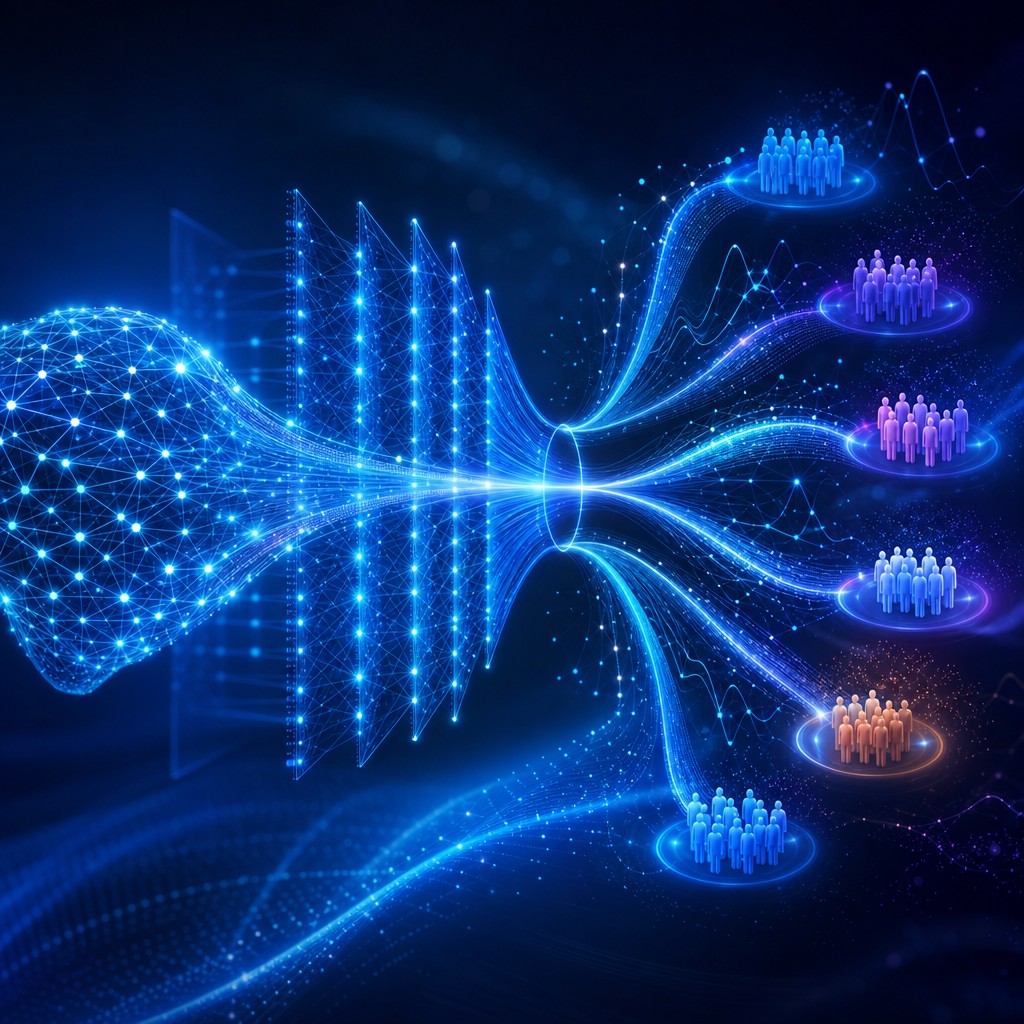
Machine learning is the force behind the sophisticated personalization consumers now expect. Recommendation engines analyze behavior to suggest relevant products and content, while dynamic systems tailor website experiences, emails, and offers to each individual. This level of customization, delivered automatically across millions of interactions, is only possible because machine learning can process and act on enormous datasets in real time.
Effective personalization increases relevance, engagement, and loyalty. Customers respond to experiences that feel tailored to them, and machine learning makes that tailoring scalable. The key is to use data ethically and transparently, building trust while delivering genuine value.
Real-Time Optimization and Automation
Machine learning enables campaigns to optimize themselves continuously. Advertising platforms use it to adjust bids, target audiences, and allocate budgets toward the best-performing options automatically. Email systems learn the optimal timing and content for each recipient. This constant, data-driven optimization improves return on investment without requiring constant manual intervention.
Automation powered by machine learning also handles repetitive tasks intelligently, freeing marketers to focus on strategy and creativity. Rather than simply executing predefined steps, these systems make smart decisions about how to respond to changing conditions, making marketing operations both more efficient and more effective.
Challenges and Responsible Application
Despite its power, machine learning in marketing carries important considerations. Models are only as good as the data they learn from, so poor or biased data leads to poor or biased outcomes. Privacy is a major concern, and businesses must handle customer data responsibly and in compliance with regulations. There is also a risk of over-automating to the point where marketing loses its human touch.
The most successful approach keeps humans in the loop, using machine learning to inform and accelerate decisions while applying human judgment to strategy, ethics, and creativity. Transparency with customers and careful data governance are essential for building lasting trust.
Conclusion
AI and machine learning impact marketing by enabling predictive insight, deep personalization, real-time optimization, and intelligent automation. These technologies allow businesses to understand their audiences better, deliver more relevant experiences, and continuously improve performance. Yet they work best when guided by clean data, ethical practices, and human strategy. For businesses looking to apply these capabilities effectively and responsibly, partnering with experienced digital marketing specialists offers the clearest path to turning machine learning into measurable growth.
Want your brand featured in front of decision-makers? Publish a guest post or get a link insertion in our guides through AAMAX's guest post and link insertion service.
Helpful Links
 SponsoredAAMAX — Full-Service Digital Agency
Write for Us
Share your expertise with our readers. We welcome guest contributions from industry specialists.
Pitch your idea