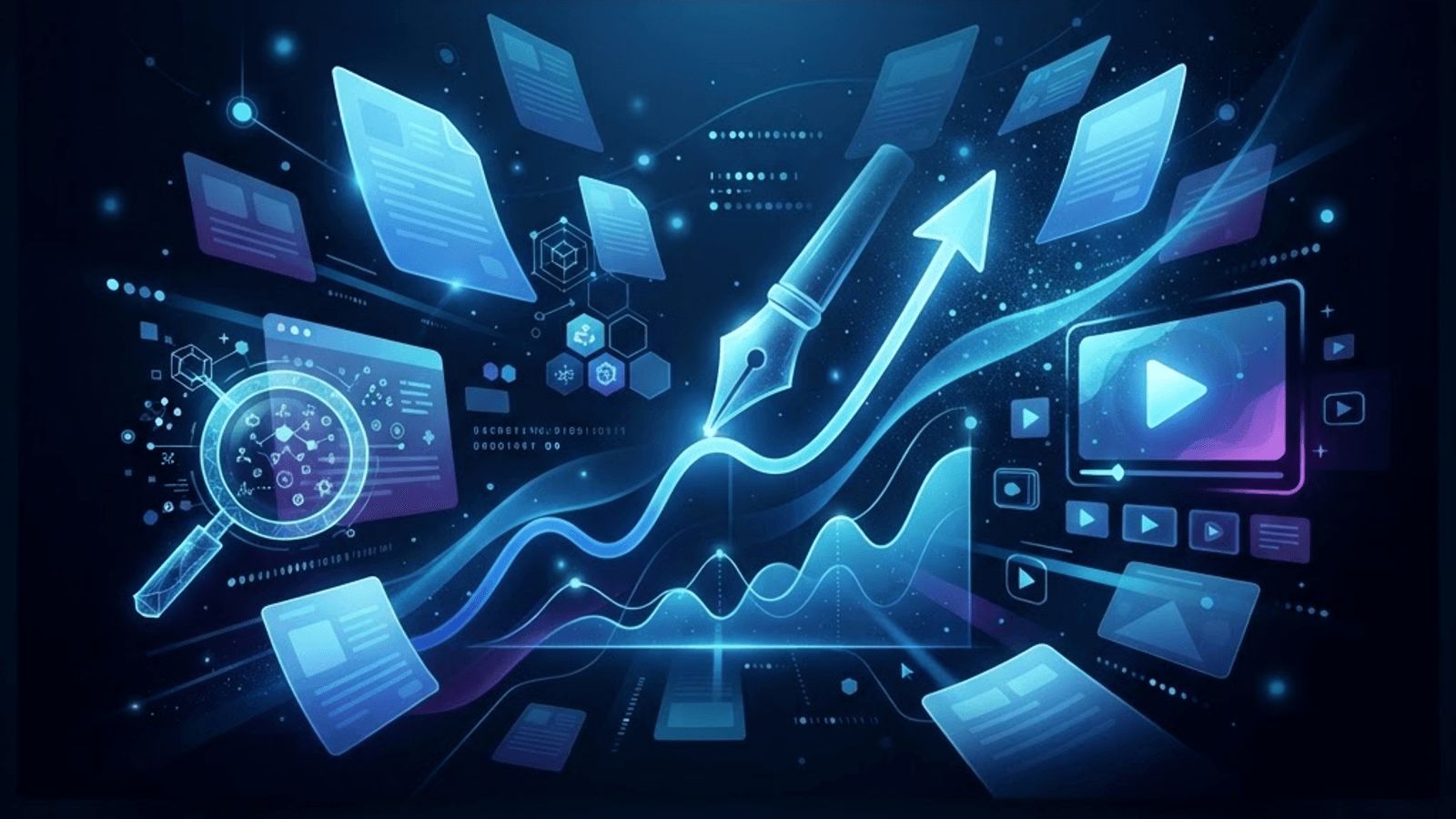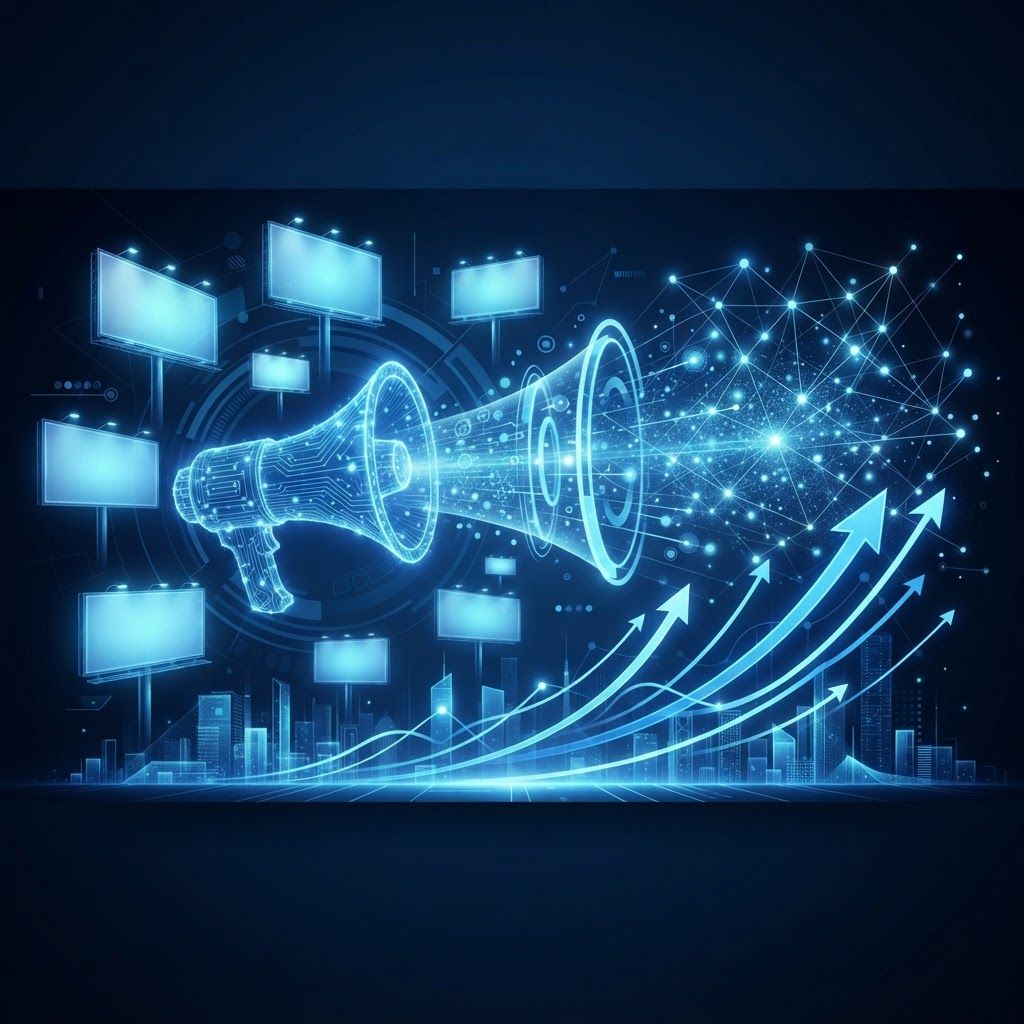
Artificial intelligence has moved from buzzword to backbone in the marketing world. It now influences how brands understand audiences, create content, deliver personalized experiences, automate campaigns, and measure results. For marketers, AI is both an opportunity and a challenge: those who harness it well gain efficiency and insight, while those who ignore it risk falling behind. Understanding how AI affects marketing is essential for any business that wants to compete in a rapidly evolving digital landscape.
This article examines the major ways AI is reshaping marketing, the benefits it delivers, the pitfalls to avoid, and how to integrate it thoughtfully into a modern strategy.
How AAMAX.CO Helps Businesses Harness AI in Marketing
Adopting AI effectively requires more than buying tools; it requires strategy, integration, and expertise. AAMAX.CO is a full-service digital marketing company that helps businesses worldwide apply AI across content, SEO, advertising, and analytics in a coordinated way. Their team blends cutting-edge AI capabilities with proven marketing fundamentals, ensuring technology amplifies results rather than creating noise. Through their comprehensive digital marketing services, they help brands turn AI from a trend into a sustainable competitive advantage.
Smarter Audience Research and Insights
One of the most powerful effects of AI on marketing is its ability to analyze vast amounts of data to uncover patterns humans would miss. AI can segment audiences with precision, predict behavior, identify high-value prospects, and reveal what content resonates with different groups. This depth of insight allows marketers to make decisions based on evidence rather than intuition alone.
By processing customer interactions, purchase histories, and engagement signals, AI helps brands understand their audiences on a granular level. This intelligence feeds every other part of the marketing process, from messaging to targeting, making campaigns more relevant and effective.
Content Creation at Scale
AI has dramatically changed content production. Tools can now draft blog posts, social updates, ad copy, email sequences, and product descriptions in a fraction of the time it once took. This speed enables marketers to produce more content and experiment with more variations. For teams under constant pressure to publish, AI is a significant productivity boost.
However, volume is not the same as value. AI-generated content still requires human refinement to add originality, accuracy, brand voice, and genuine expertise. Search engines and audiences alike reward content that is genuinely helpful, so the smartest marketers use AI for first drafts and ideation while relying on human judgment to ensure quality. The combination of AI speed and human craft is where the real advantage lies.
Personalization and Customer Experience
Personalization is perhaps where AI delivers the most visible impact. AI enables brands to tailor messages, recommendations, and experiences to individual users at scale, something impossible to do manually. From product recommendations to dynamic email content and personalized website experiences, AI makes each interaction feel more relevant.
Chatbots and virtual assistants powered by AI also enhance customer experience by providing instant, around-the-clock support and guiding users through their journey. When done well, this personalization increases engagement, satisfaction, and conversions. The key is to use data responsibly and transparently, respecting privacy while delivering value.
Automation, Optimization, and Analytics
AI streamlines campaign management by automating repetitive tasks such as ad bidding, email scheduling, and audience targeting. It can optimize campaigns in real time, shifting budget toward what performs and adjusting messaging based on engagement. This continuous optimization improves efficiency and return on investment.
On the analytics side, AI turns raw data into actionable insight, identifying trends, forecasting outcomes, and highlighting what is working. Marketers can move faster and make better decisions when AI surfaces the signal within the noise. This frees human teams to focus on strategy, creativity, and relationship building rather than manual number-crunching.
Risks and Responsible Use
For all its benefits, AI in marketing comes with risks. Over-reliance on automation can produce generic, soulless content that fails to connect. AI can also perpetuate biases present in data, generate inaccurate information, or raise privacy concerns if customer data is mishandled. Responsible marketers treat AI as a tool that augments human judgment rather than replacing it.
Maintaining authenticity, verifying AI output, protecting customer data, and keeping a human in the loop are essential practices. The brands that succeed with AI are those that pair its capabilities with ethical standards and genuine care for their audience.
Conclusion
AI affects marketing across every dimension, from audience research and content creation to personalization, automation, and analytics. It offers unprecedented speed, scale, and insight, but it works best when combined with human creativity, strategy, and responsibility. The future of marketing belongs to those who integrate AI thoughtfully, using it to enhance rather than replace the human elements that build trust and loyalty. For businesses ready to embrace this future, partnering with experienced digital marketing specialists is the surest way to capture the benefits of AI while avoiding its pitfalls.
Want your brand featured in front of decision-makers? Publish a guest post or get a link insertion in our guides through AAMAX's guest post and link insertion service.
Helpful Links
 SponsoredAAMAX — Full-Service Digital Agency
Write for Us
Share your expertise with our readers. We welcome guest contributions from industry specialists.
Pitch your idea