Agriculture Around Bradford
While Bradford is known as an industrial city, its surrounding countryside and the wider West Yorkshire region support a thriving farming community. From the moorland pastures of the Pennines to the fertile valleys nearby, farming companies play a vital role in producing food, managing the landscape, and sustaining rural livelihoods. These businesses range from family-run farms with generations of heritage to larger commercial operations embracing modern agricultural technology.
Farming around Bradford is characterised by its diversity. Livestock rearing, particularly sheep and cattle suited to the region's terrain, sits alongside dairy production, arable cropping, and mixed farming. This variety reflects both the local geography and the adaptability of the area's farmers, who balance tradition with innovation to remain productive and sustainable.
What Defines a Strong Farming Company
Successful farming companies combine productivity with responsible land management and animal welfare. Quality of produce, sustainable practices, and efficient operations are key markers of a well-run farm. Increasingly, strong farming businesses also embrace technology, diversify their income streams, and engage with local supply chains. Consumers and partners value transparency, high welfare standards, and environmental stewardship.
Leading Farming Companies Around Bradford
1. Pennine Hill Farms. A respected livestock operation specialising in sheep farming suited to upland terrain. Their commitment to traditional grazing supports both quality produce and landscape management.
2. Aire Valley Dairy. A well-established dairy producer known for high welfare standards and quality milk. Their modern practices balance efficiency with animal care.
3. Yorkshire Arable Growers. Focused on cereal and crop production, they supply grain to regional markets. Efficient cultivation and crop management define their operation.
4. Moorland Cattle Company. Specialists in beef cattle reared on natural pasture, delivering quality meat. Their focus on welfare and grazing supports a premium reputation.
5. City Edge Mixed Farming. Combining livestock and arable production for a diversified, resilient operation. This balanced approach helps manage seasonal demand.
6. Northern Poultry Farms. Producing eggs and poultry with an emphasis on free-range standards. Their welfare-focused methods appeal to conscious consumers.
7. Heritage Family Farm. A multi-generational business blending traditional methods with modern efficiency. Their long-standing local roots underpin community trust.
8. West Yorkshire Organic Farm. Focused on certified organic produce, meeting rising demand for chemical-free food. Sustainable practices are central to their identity.
9. Bradford Market Garden. Specialising in vegetables and horticultural produce for local sale. Their fresh, seasonal output supports regional food networks.
10. Dale View Livestock. A versatile livestock enterprise supplying sheep and cattle to regional buyers. Reliable quality and sound husbandry define their work.
Trends Transforming Modern Farming
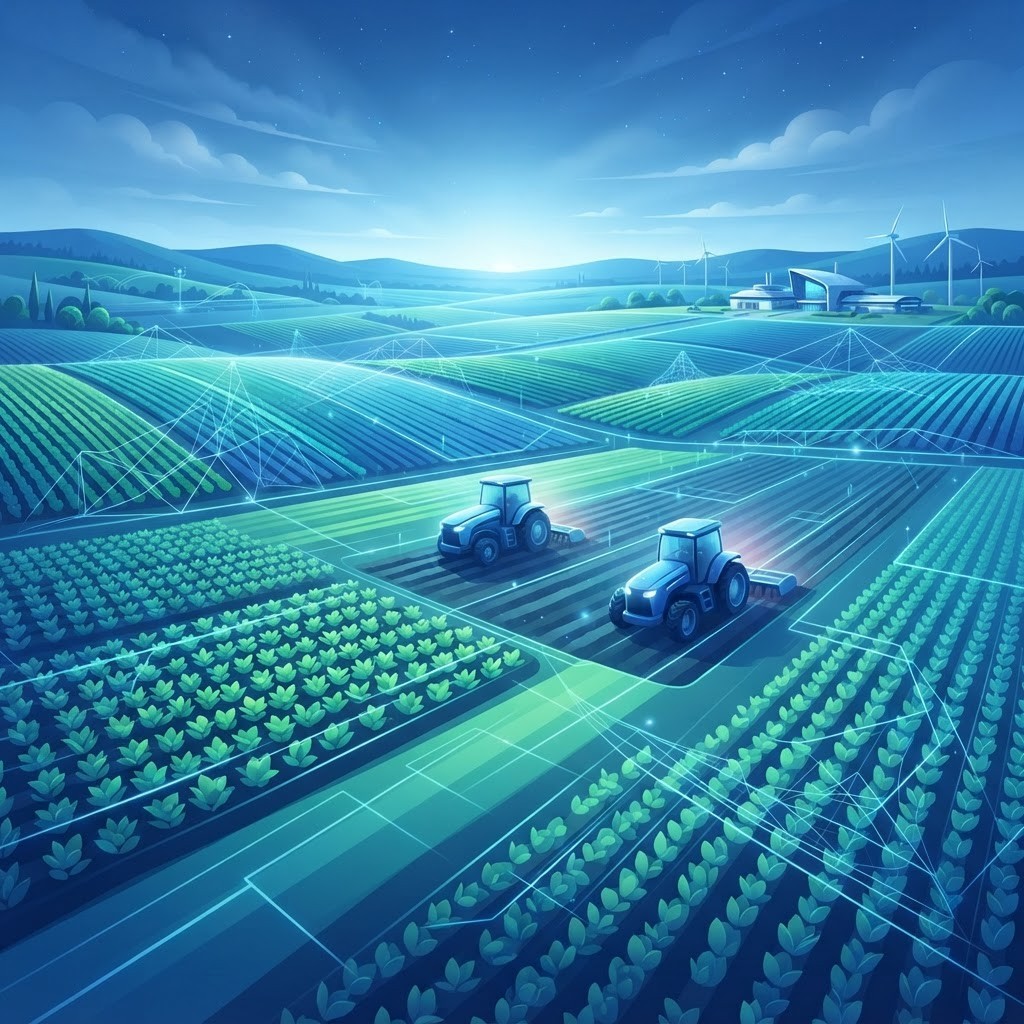
Agriculture is undergoing significant change, driven by technology and sustainability. Precision farming, using data, sensors, and GPS-guided equipment, is helping farmers improve efficiency and reduce waste. Even smaller operations are adopting digital tools to monitor livestock health and optimise crop management.
Sustainability is a defining priority, with growing emphasis on regenerative practices, soil health, and reduced environmental impact. Diversification is also increasingly common, as farms add activities such as renewable energy, farm shops, or agritourism to strengthen their resilience. Consumer demand for locally sourced, high-welfare, and organic produce continues to influence how farms operate.
The Value of Local Farming
Farming companies around Bradford contribute far beyond food production. They maintain the region's distinctive landscapes, support rural employment, and supply fresh produce through local markets and retailers. Buying from local farms reduces food miles, strengthens community ties, and gives consumers confidence in the origin and quality of their food. These businesses are integral to both the environment and the regional economy.
Conclusion
The farming companies operating around Bradford demonstrate the resilience and diversity of modern British agriculture. From upland livestock and dairy to arable, organic, and horticultural production, these businesses combine heritage with innovation. As precision farming, sustainability, and diversification reshape the sector, Bradford's farming community continues to nourish the region, care for the land, and support a thriving rural economy.
Want your brand featured in front of decision-makers? Publish a guest post or get a link insertion in our guides through AAMAX's guest post and link insertion service.
 SponsoredAAMAX — Full-Service Digital Agency
Write for Us
Share your expertise with our readers. We welcome guest contributions from industry specialists.
Pitch your idea