How Delivery Changed Eating Habits in the Borough
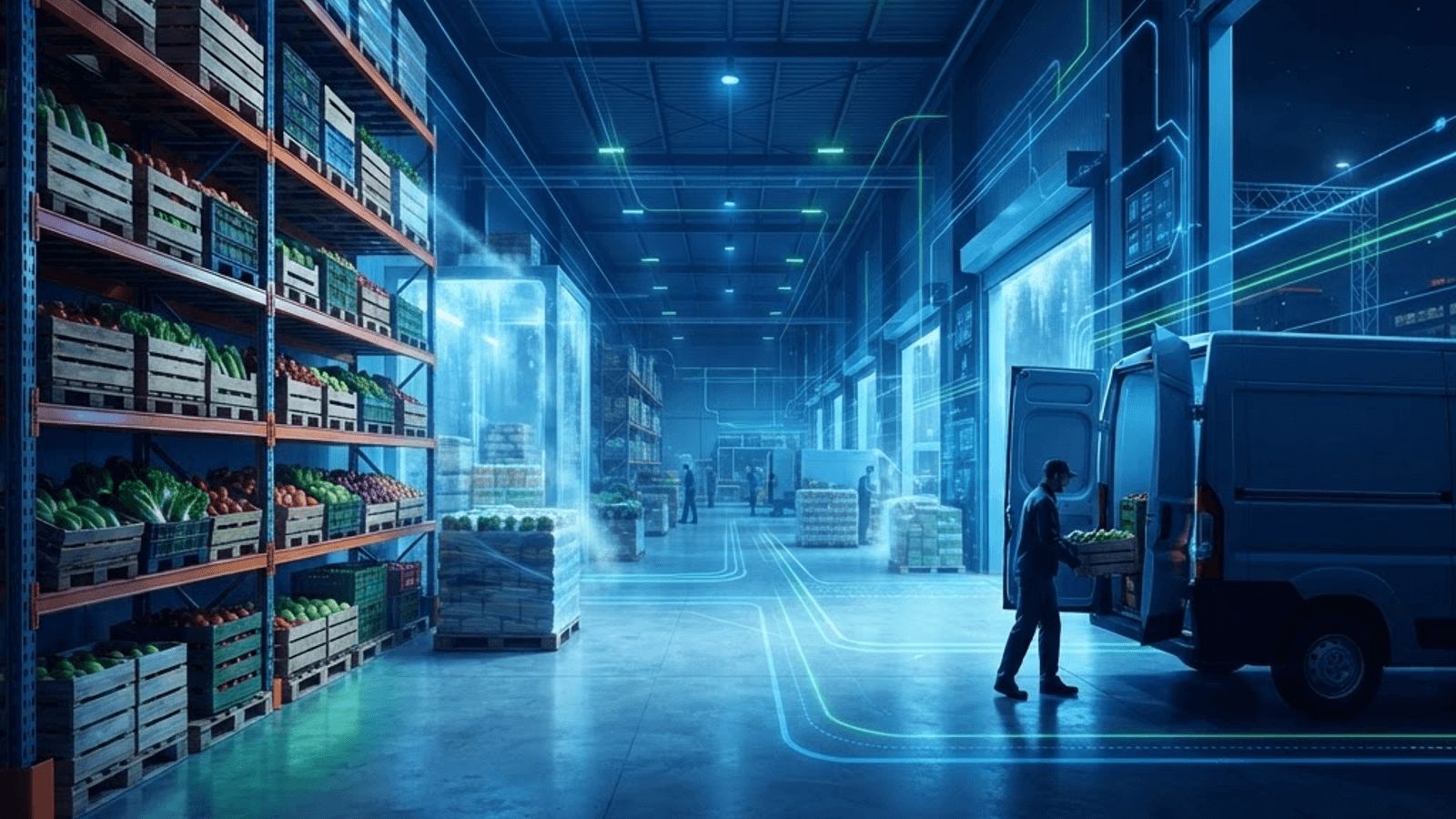
A decade ago, ordering food to your door in Newcastle-under-Lyme meant phoning a local takeaway and hoping for the best. Today the borough is served by multiple national delivery platforms, rapid grocery services, meal kit subscriptions and a growing number of independent restaurants running their own ordering systems. The change has been rapid and it has had real consequences for how people eat, how restaurants operate and how much a meal actually costs.
Newcastle-under-Lyme is well suited to delivery. It is geographically compact, has a dense cluster of restaurants around the town centre and along the main arterial roads, and includes a substantial student population at Keele University with strong demand for convenience. Delivery radii cover most of the borough comfortably, though outlying villages sometimes fall outside the zones of the larger platforms.
The Main Categories of Delivery Service
It helps to think of delivery apps in four groups. Restaurant marketplaces aggregate many venues on one platform and handle courier logistics. Grocery and convenience apps deliver supermarket shops or rapid essentials within short windows. Meal kit services ship pre-portioned ingredients with recipes on a subscription basis. Direct restaurant apps let individual venues take orders without a marketplace commission.
Each model has a different cost structure, and that matters. Marketplace platforms typically charge restaurants a substantial commission plus a customer delivery fee and service charge. Direct ordering usually costs less overall and returns more money to the restaurant, but requires you to install or bookmark each venue separately.
Ten Delivery Apps Serving Newcastle-under-Lyme
1. Uber Eats. One of the widest restaurant selections in the borough, with strong coverage of chains and a growing number of independents. Its live tracking and scheduling features are reliable, and it frequently runs promotional discounts for new and returning users.
2. Deliveroo. Known for a curated restaurant list that skews slightly towards higher-quality independents and casual dining brands. Its subscription plan removes delivery fees on qualifying orders, which pays for itself quickly for regular users.
3. Just Eat. The longest-established platform in the UK takeaway market and still the strongest for traditional local takeaways, including chip shops, curry houses, kebab shops and Chinese restaurants that are not listed elsewhere. Many venues on Just Eat deliver using their own drivers.
4. Tesco Groceries. A full weekly shop delivered in booked slots, with substitution controls and a delivery saver plan for frequent users. It remains the most practical option for large household orders in the borough.
5. Asda Online Shopping. Competitive on price for bulk grocery delivery and click-and-collect, with wide coverage across Newcastle-under-Lyme and the surrounding Staffordshire area.
6. Sainsbury's Online. Strong for mid-range grocery delivery with good fresh produce quality and a well-designed app for repeat basket building.
7. Co-op Delivery. Useful for rapid convenience orders rather than full shops, drawing from local store stock and delivering within short windows. Particularly handy for village addresses on the edge of the borough.
8. HelloFresh. A meal kit subscription delivering pre-portioned ingredients and recipe cards weekly. It appeals to households wanting to cook without planning or shopping, and reduces food waste noticeably.
9. Gousto. A comparable meal kit service with a broader recipe library and more flexible subscription pausing, which suits people with irregular schedules.
10. Independent Restaurant Apps. A growing number of Newcastle-under-Lyme venues now run their own ordering and loyalty systems, often through white-label platforms. Prices are frequently lower than marketplace listings and loyalty rewards accumulate faster.
Getting Better Value From Delivery
Delivery costs add up faster than most people track. A typical marketplace order carries a delivery fee, a service charge calculated as a percentage of the basket, and sometimes a small order surcharge. Comparing the same meal across two platforms and against direct ordering can reveal differences of several pounds.
Subscription plans make sense if you order more than roughly three times a month, but are poor value below that. Group ordering reduces per-person fees significantly, which is why office and student house orders are so common. Ordering slightly outside peak times, avoiding the seven to eight in the evening crush, usually means faster delivery and better food condition on arrival.
The Impact on Local Restaurants
It is worth understanding the economics from the restaurant side. Marketplace commissions can consume a substantial share of the order value, which is why many venues price delivery menus higher than their in-house menus. Restaurants that have invested in direct ordering keep more revenue and often reward customers with better pricing or loyalty schemes.
This has created a two-tier system in the borough. Newer and more digitally confident operators run their own channels alongside marketplace listings, using the platforms for discovery and their own apps for repeat custom. Supporting direct ordering, where available, meaningfully improves the viability of independent local businesses.
Practical Tips for a Better Experience
Add clear delivery notes, particularly for flats, business addresses and rural properties where signage is poor. Check opening hours in the app rather than assuming, as kitchen closing times often precede the venue's stated closing time. For grocery deliveries, set substitution preferences carefully to avoid unwanted replacements.
Photograph any incorrect or missing items immediately, as refund claims are processed far more reliably with evidence. And for meal kits, check the delivery day suits your schedule, since chilled boxes left outside in warm weather degrade quickly.
Final Thoughts
Newcastle-under-Lyme is well served by food delivery, with genuine choice across restaurant marketplaces, grocery services and meal kits. The smartest approach is to use marketplaces for discovery and occasional variety, grocery apps for planned household shopping, and direct restaurant ordering for the places you return to regularly. That combination delivers the best balance of convenience, cost and support for local businesses.
Want your brand featured in front of decision-makers? Publish a guest post or get a link insertion in our guides through AAMAX's guest post and link insertion service.
Helpful Links
 SponsoredAAMAX — Full-Service Digital Agency
Write for Us
Share your expertise with our readers. We welcome guest contributions from industry specialists.
Pitch your idea