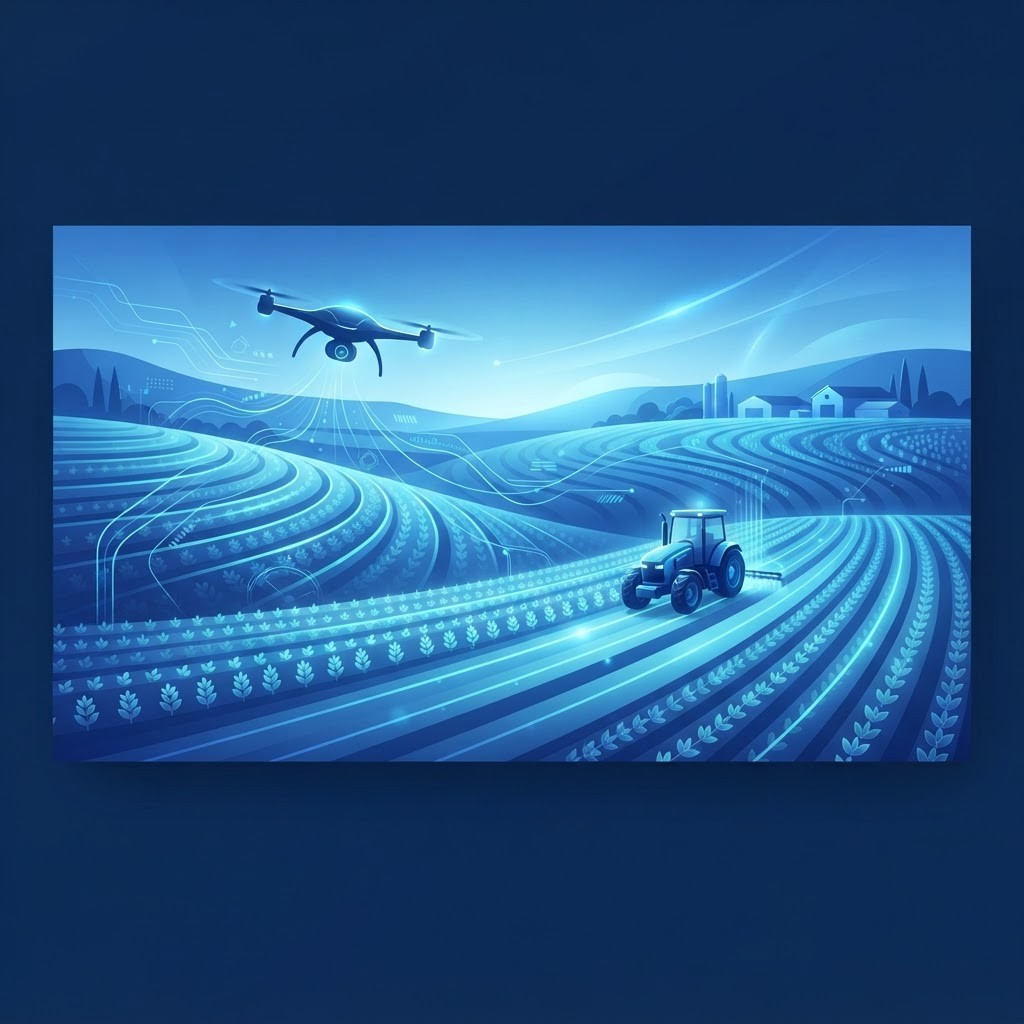
Agriculture at the Heart of Wigan's Countryside
Although Wigan is often associated with its industrial past, the surrounding countryside remains rich in productive farmland. The rolling fields of the borough support a diverse mix of livestock rearing, arable cultivation and mixed farming enterprises. Farming companies here play a vital role in the local economy, supplying fresh produce to markets, supermarkets and food processors while maintaining the rural landscape that residents cherish. The blend of traditional family farms and forward thinking agricultural businesses gives Wigan a resilient and varied farming sector.
Farming around Wigan has evolved considerably over recent decades. Rising input costs, changing weather patterns and shifting consumer expectations have pushed producers to become more efficient and environmentally conscious. The most successful companies combine generations of accumulated knowledge with modern technology, precision techniques and diversified income streams.
The Modern Farming Landscape
Contemporary farming is a sophisticated operation involving data, machinery and careful land management. Around Wigan, producers work with variable soil types and a climate that suits grassland and certain arable crops particularly well. Dairy and beef cattle thrive on the region's pastures, while cereal and vegetable growers make use of the more fertile lowland areas. Increasingly, farms are integrating renewable energy, water management and soil health programmes into their day to day activities.
Diversification has become a defining feature of the sector. Many farms now supplement their core production with farm shops, holiday accommodation, educational visits or contract services. This flexibility helps businesses weather volatile commodity prices and strengthens ties with the local community.
Leading Farming Companies Around Wigan
Wigan Valley Farms is a well established mixed enterprise combining dairy production with arable crops. Its investment in efficient milking systems and pasture management has made it a benchmark for productivity in the area.
Douglas Meadow Livestock specialises in high welfare beef and lamb, supplying local butchers and restaurants that prize traceable, quality meat. The company's commitment to animal welfare has earned it a loyal customer base.
Standish Arable Growers focuses on cereals and root vegetables, using precision farming to optimise yields while minimising fertiliser use. Their environmental stewardship has become a model for neighbouring farms.
Greenhalgh Family Farming is a multi generational business that blends traditional methods with modern efficiency, producing both crops and free range poultry for regional markets.
Pennington Pastures is recognised for its regenerative grazing approach, improving soil carbon and biodiversity while raising healthy livestock.
Innovative and Diversified Operations
Orrell Organic Produce has carved out a strong position in the growing organic market, supplying vegetables and salads to health conscious consumers. Haigh Country Farming combines agriculture with agri tourism, welcoming visitors to experience rural life. Aspull Agricultural Holdings operates a large scale contracting service, providing machinery and expertise to smaller farms that cannot justify their own equipment. Shevington Smallholdings Collective represents a network of smaller producers pooling resources to reach wider markets, while Bryn Fields Enterprises has invested heavily in renewable energy and anaerobic digestion, turning farm waste into power and demonstrating how sustainability can also be profitable.
Sustainability and Environmental Stewardship
Environmental responsibility is now central to farming in Wigan. Producers are increasingly enrolled in stewardship schemes that reward hedgerow planting, wildlife corridors and reduced chemical use. Soil health has emerged as a priority, with cover cropping and reduced tillage helping to protect this precious resource. Water quality, carbon reduction and biodiversity are no longer afterthoughts but integral to how modern farms plan their operations.
These efforts benefit not only the environment but also the long term viability of the businesses themselves. Healthier soils produce more reliable yields, and consumers are willing to pay a premium for food produced with care for the planet.
The Future of Farming in Wigan
The outlook for Wigan's farming companies is one of cautious optimism. Technology such as robotics, sensors and data analytics promises to improve efficiency further, while local food movements create new opportunities to sell directly to consumers. Challenges remain, including labour shortages, policy uncertainty and climate variability, but the adaptability shown by the region's farmers suggests they are well placed to meet them. By combining heritage with innovation, the farming companies around Wigan continue to feed the community, sustain the countryside and support rural livelihoods. Their ongoing success is a reminder that agriculture remains a living, evolving and essential part of the borough's identity.
Want your brand featured in front of decision-makers? Publish a guest post or get a link insertion in our guides through AAMAX's guest post and link insertion service.
 SponsoredAAMAX — Full-Service Digital Agency
Write for Us
Share your expertise with our readers. We welcome guest contributions from industry specialists.
Pitch your idea