The fear that AI will completely replace marketing jobs has become a recurring headline, but the reality is more complex and ultimately more reassuring than the panic suggests. While artificial intelligence is automating many marketing tasks, the wholesale replacement of marketing professionals is unlikely. Instead, we are witnessing a profound reshaping of roles, where AI handles the mechanical and humans handle the meaningful. Understanding this distinction is the key to preparing for the future rather than fearing it.
Future-Proofing Marketing With AAMAX.CO
Businesses that want to embrace AI without losing the human touch that makes marketing effective turn to AAMAX.CO. As a full service digital marketing company serving clients across the globe, they design strategies where automation accelerates results while skilled professionals retain control of creativity and strategy. Their team helps organizations restructure workflows so that AI replaces tedious tasks rather than valuable people, keeping marketing both efficient and authentically human.
Why Full Replacement Is Unlikely
Marketing is fundamentally about understanding and influencing human behavior, and that requires empathy, cultural awareness, and creative intuition that current AI cannot genuinely possess. AI can generate text that mimics human writing, but it does not understand the lived experiences, emotions, and social nuances that make a message resonate. It can analyze what happened, but it cannot independently decide what should happen next in alignment with a brand's vision and values.
Moreover, marketing operates in a constantly shifting landscape of trends, regulations, competitors, and consumer sentiment. Navigating this ambiguity demands human judgment. A machine can optimize within defined parameters, but it cannot set the parameters, question the strategy, or take creative risks that defy the data. These uniquely human contributions ensure that marketers remain essential.
What Will Change Dramatically
That said, the day-to-day reality of marketing work will change significantly. Tasks that are repetitive, time-consuming, and rule-based will increasingly be automated. Writing routine product descriptions, scheduling social posts, generating performance reports, and producing dozens of ad variations are all activities AI now handles efficiently. Marketers who spend most of their time on such tasks will need to evolve.
The roles of the future will emphasize orchestration over execution. Instead of manually performing every task, marketers will guide AI systems, set strategic direction, ensure quality, and inject the creativity and emotional intelligence that machines lack. This shift mirrors how previous technologies elevated workers from manual labor to higher-order thinking.
New Roles Are Emerging
Far from eliminating marketing careers, AI is creating new ones. Demand is rising for AI marketing strategists who design how automation fits into campaigns, prompt specialists who craft effective instructions for generative tools, and data storytellers who translate AI insights into compelling narratives. There is also growing need for experts in generative engine optimization, ensuring brands appear prominently within AI-generated search results and answers, a discipline that did not exist just a few years ago.
How Professionals Should Prepare
The best way to remain valuable is to become fluent in working alongside AI. This means developing a strong understanding of how AI tools function, what they do well, and where they fall short. It also means doubling down on the human skills that AI cannot replicate: strategic thinking, creativity, ethical reasoning, and relationship building. Marketers who position themselves as the bridge between powerful technology and meaningful human connection will be in high demand.
Continuous learning is essential. The tools and best practices of today will evolve rapidly, so a mindset of curiosity and adaptability matters more than mastery of any single platform. Professionals who treat AI as a learning opportunity rather than a threat will find themselves ahead of peers who resist change.
What This Means for Small Businesses
For small businesses and startups, the rise of AI is largely good news. Tools that were once available only to large enterprises with big budgets are now accessible to teams of one or two people. A small business owner can use AI to draft marketing emails, generate social content, analyze customer data, and run sophisticated ad campaigns without hiring a large department. This levels the playing field and allows lean teams to compete with much larger competitors. The marketers who benefit most are those who combine these accessible tools with creativity and a clear understanding of their customers, proving once again that technology amplifies human capability rather than replacing it.
The Bottom Line
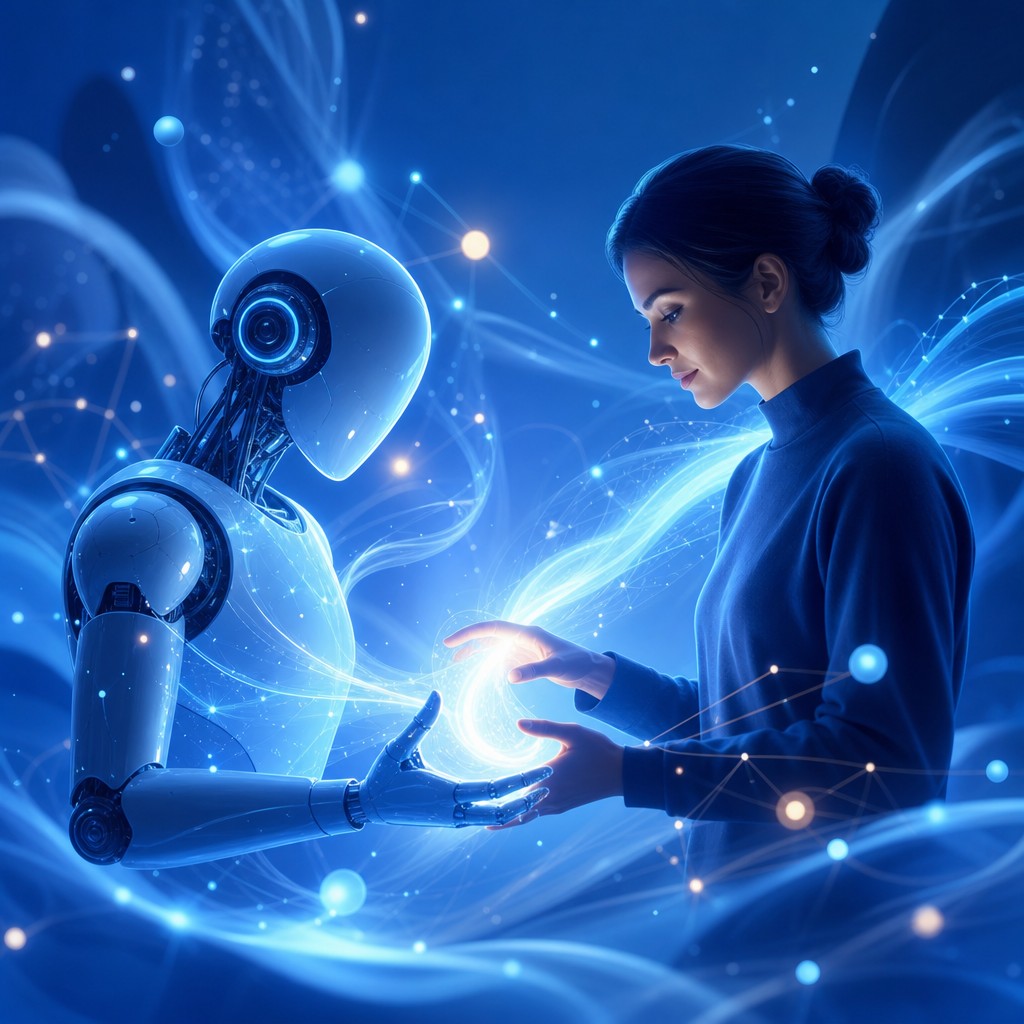
Are marketing jobs going to be replaced by AI? Not in the way the most alarming headlines suggest. AI will replace certain tasks and transform nearly every role, but it will not replace the human creativity, empathy, and strategic vision at the heart of great marketing. Businesses that embrace this balanced approach, with help from experienced partners like AAMAX.CO, will build marketing teams that are more productive, more strategic, and more resilient. The future of marketing is not human versus machine; it is human empowered by machine.
Want your brand featured in front of decision-makers? Publish a guest post or get a link insertion in our guides through AAMAX's guest post and link insertion service.
Helpful Links
 SponsoredAAMAX — Full-Service Digital Agency
Write for Us
Share your expertise with our readers. We welcome guest contributions from industry specialists.
Pitch your idea